
Electric vs Diesel vs LPG Forklifts: A Complete Buyer’s Guide
Choosing the right forklift is a critical decision for any warehouse, logistics operation, or industrial site. The type of forklift you select will directly impact your running costs, efficiency, and even workplace safety.
The three most common options: electric, diesel, and gas (LPG) forklifts – each have distinct advantages and limitations. In this guide, we break down the key differences to help you determine which is best suited to your operation.
Electric Forklifts
Electric forklifts are becoming increasingly popular, particularly in indoor and environmentally conscious workplaces.
Key Advantages
- Zero emissions – ideal for indoor use and enclosed spaces
- Quiet operation – improves working conditions for staff
- Lower running costs – fewer moving parts and less maintenance
- Energy efficient – electricity is typically cheaper than fuel
Considerations
- Battery charging time – requires downtime or spare batteries
- Higher upfront cost (in some cases)
- Limited outdoor performance – not ideal for rough terrain or wet conditions
Best For
- Warehouses
- Retail distribution centres
- Food and pharmaceutical environments
Diesel Forklifts
Diesel forklifts are known for their power and durability, making them a go-to option for heavy-duty applications.
Key Advantages
- High lifting capacity – suitable for demanding workloads
- Excellent outdoor performance – handles uneven terrain well
- Long run times – quick refuelling keeps downtime minimal
- Robust and reliable – built for tough environments
Considerations
- Emissions – not suitable for indoor use
- Noise levels – louder than electric or gas models
- Higher fuel and maintenance costs
Best For
- Construction sites
- Timber yards
- Ports and heavy industry
Gas (LPG) Forklifts
Gas forklifts (typically LPG-powered) offer a middle ground between electric and diesel options.
Key Advantages
- Versatile – suitable for both indoor (with ventilation) and outdoor use
- Quick refuelling – minimal downtime compared to electric charging
- Consistent performance – power doesn’t drop like battery-operated models
- Lower emissions than diesel
Considerations
- Still produces emissions – requires proper ventilation indoors
- Fuel costs – can be higher than electric over time
- Less eco-friendly than electric
Best For
- Mixed-use environments
- Warehouses with indoor and outdoor operations
- Businesses needing flexibility
Key Factors to Consider
When choosing between electric, diesel, and gas forklifts, consider the following:
Operating Environment
- Indoors → Electric
- Outdoors → Diesel
- Mixed use → Gas (LPG)
Usage Intensity
- Light to moderate use → Electric
- Heavy-duty, continuous use → Diesel
- Medium to high use with flexibility → Gas
Budget
- Lower long-term costs → Electric
- Lower upfront (sometimes) → Diesel/Gas
- Balance of both → Gas
Sustainability Goals
- Strong environmental focus → Electric
- Less concern about emissions → Diesel or Gas
Which Forklift Is Right for You?
There’s no one-size-fits-all answer – the right choice depends entirely on your operational needs.
- Choose electric if you prioritise efficiency, low emissions, and indoor use
- Choose diesel if you need power, durability, and outdoor performance
- Choose gas (LPG) if you require flexibility across different environments
Investing in the right forklift can significantly improve productivity while reducing long-term costs. By understanding the strengths and limitations of each type, you can make a more informed decision that supports your business goals.
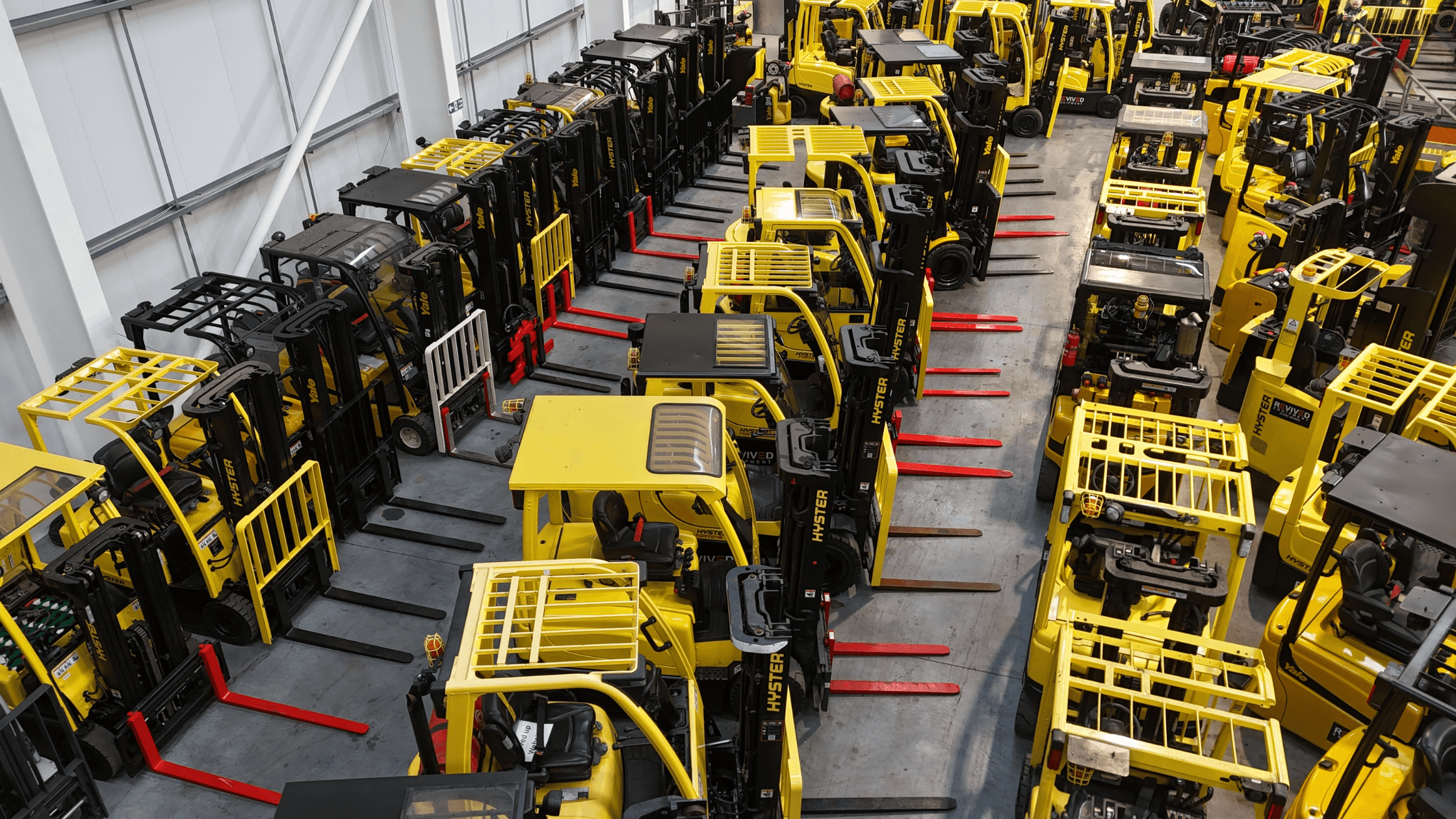
Here at Revived Equipment, we specialise in providing high-quality used forklifts to businesses across the UK. With over 500 trucks in stock, we ensure that our clients have access to dependable equipment.
If you’re unsure which option is best, get in touch with our team. We’d love to help you find a cost-effective, high-quality solution tailored to your needs.